Selecting a budget laptop for programming in 2025 involves balancing performance, portability, and cost. Programmers require machines that can handle integrated development environments (IDEs), compile code, run virtual machines, and support remote work sessions without frequent slowdowns. While premium laptops often dominate headlines, several affordable models now offer compelling specifications that meet typical development demands.
This article examines key factors to consider when choosing a budget-friendly laptop for coding, testing, and remote work. It highlights how processor capabilities, memory capacity, battery endurance, and other features interact to influence the overall development experience. The focus is on providing a comparative overview of what to look for rather than prescribing specific models, as individual needs vary widely.
By understanding the trade-offs and priorities, developers can make informed decisions that align with their workflows and budgets. The information presented here is intended as a general guide, and actual performance depends on many variables, including software optimization, workload intensity, and usage patterns.
Key Considerations for Programming Laptops
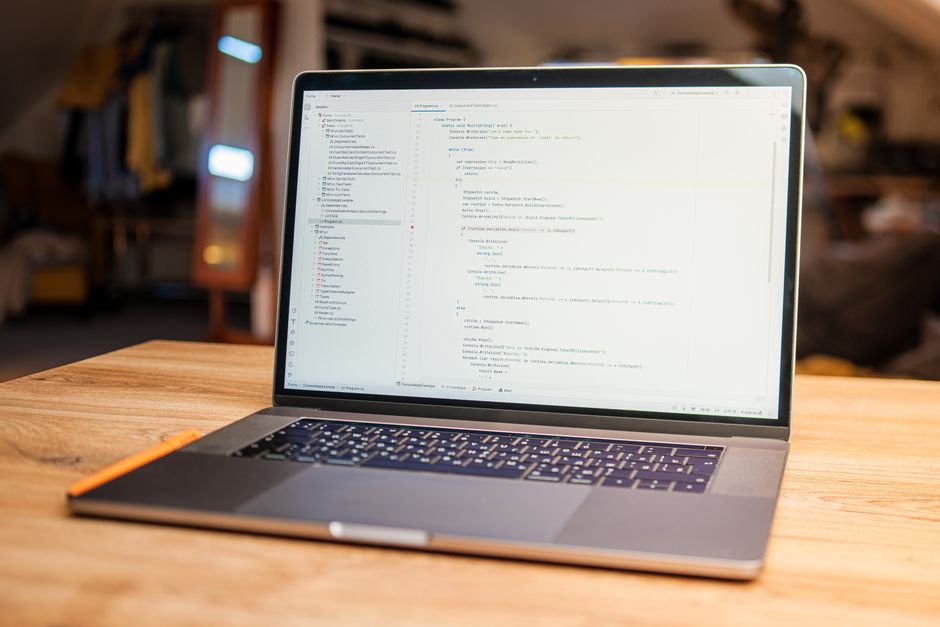
When evaluating budget laptops for programming, several core components directly impact productivity. The CPU determines how quickly code compiles and how smoothly IDEs run, while RAM affects multitasking capabilities. Storage speed influences boot times and application loading, and battery life dictates how long you can work unplugged. Additionally, keyboard quality, port selection, and display resolution contribute to comfort during long coding sessions.
For most programming tasks, a modern multi-core processor with a base clock speed of at least 2.0 GHz is advisable. However, the specific requirements depend on the type of development: web development may be less demanding than machine learning or game development. Similarly, RAM needs can range from 8 GB for light tasks to 16 GB or more for running multiple containers or virtual machines.
Battery life is another critical factor, especially for remote work and travel. A laptop that lasts 8 hours or more on a single charge can significantly enhance flexibility. It’s also worth considering the availability of upgrade options, such as replaceable RAM or storage, which can extend the laptop’s useful life.
Processor and Memory: The Core of Development Performance
The processor (CPU) is often the primary bottleneck in development workflows. In 2025, budget laptops commonly feature Intel Core i5 or AMD Ryzen 5 processors, which offer a good balance of performance and power efficiency. These chips typically include 4 to 6 cores, enabling decent parallel processing for compilation and testing.
Memory (RAM) is equally important, as insufficient RAM leads to excessive swapping and sluggish performance. For programming, 16 GB is becoming the recommended baseline, particularly for running IDEs, browsers, and local servers simultaneously. Some budget models may offer 8 GB, which can suffice for lightweight coding but may struggle with heavier workloads.
When comparing options, consider the memory type and speed, as faster RAM can improve overall responsiveness. Also, check whether the laptop supports dual-channel memory, which can provide a performance boost. Keep in mind that soldered RAM cannot be upgraded, so if future-proofing is a priority, look for models with SO-DIMM slots.
Battery Life and Portability for Remote Work
Remote work and travel demand laptops that can endure long periods without a power outlet. Battery life is influenced by factors such as screen brightness, processor load, and background applications. Many budget laptops now claim battery life of 10 hours or more, but real-world usage may vary.
To maximize battery efficiency, consider laptops with low-power displays (e.g., 1080p instead of 4K) and power-efficient CPUs. Also, some manufacturers offer rapid charging features that can provide several hours of use from a short charge, which is convenient for mobile professionals.
Portability is another aspect: a lightweight laptop (under 4 pounds) is easier to carry, but may come with a smaller screen or fewer ports. Striking a balance between screen size, weight, and battery capacity is key. USB-C charging is increasingly common and allows you to use a single charger for multiple devices.
Storage, Display, and Other Features
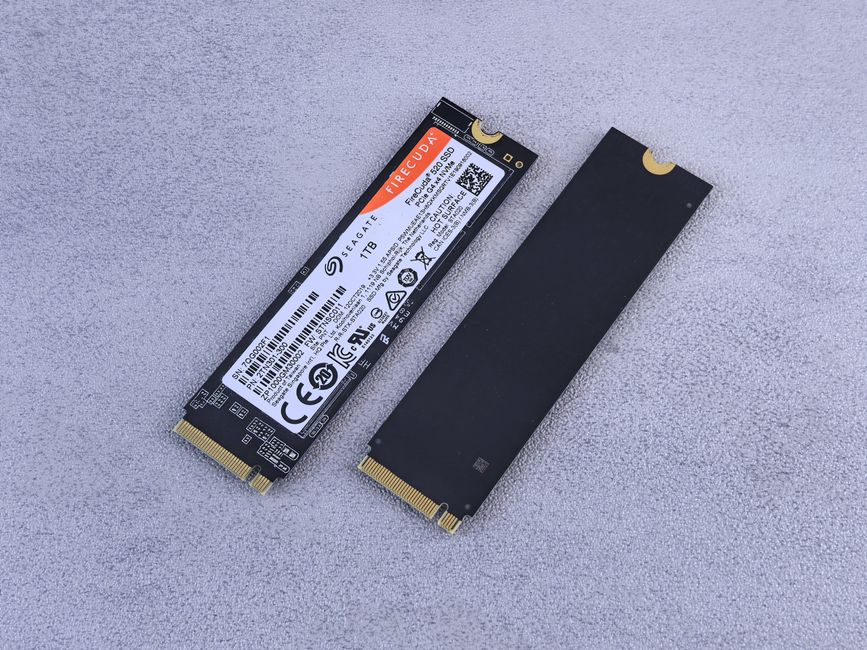
Storage speed affects overall system responsiveness. Solid-state drives (SSDs) are now standard even in budget laptops, and NVMe SSDs offer faster read/write speeds than SATA SSDs. A minimum of 256 GB is advisable, but 512 GB provides more room for projects and tools.
The display should be comfortable for long coding sessions. A resolution of at least 1920×1080 is recommended, and an anti-glare coating can reduce eye strain. Some budget laptops offer touchscreens, but these may impact battery life and add cost.
Keyboard quality is subjective but important. Look for adequate key travel and a responsive feel. Backlighting is useful for low-light environments. Port selection should include at least one USB-A, USB-C, and HDMI, though budget models may omit some. Wireless connectivity (Wi-Fi 6) is beneficial for faster network speeds.
Making a Balanced Choice
Ultimately, the best budget laptop for programming depends on your specific needs and preferences. Prioritize the components that matter most for your work: if you compile large codebases, invest in a better CPU; if you run many virtual machines, prioritize RAM; if you work remotely, emphasize battery life.
It’s also wise to read reviews and compare benchmarks, but remember that synthetic tests may not reflect real-world coding performance. Consider the warranty and support options, as these can affect long-term satisfaction.
TechPulse provides informative resources to help you stay updated on technology trends, but we do not endorse specific products. Always verify specifications and try to test a laptop in person if possible. The information here is for educational purposes and should not substitute professional advice.